Storage Fit Review
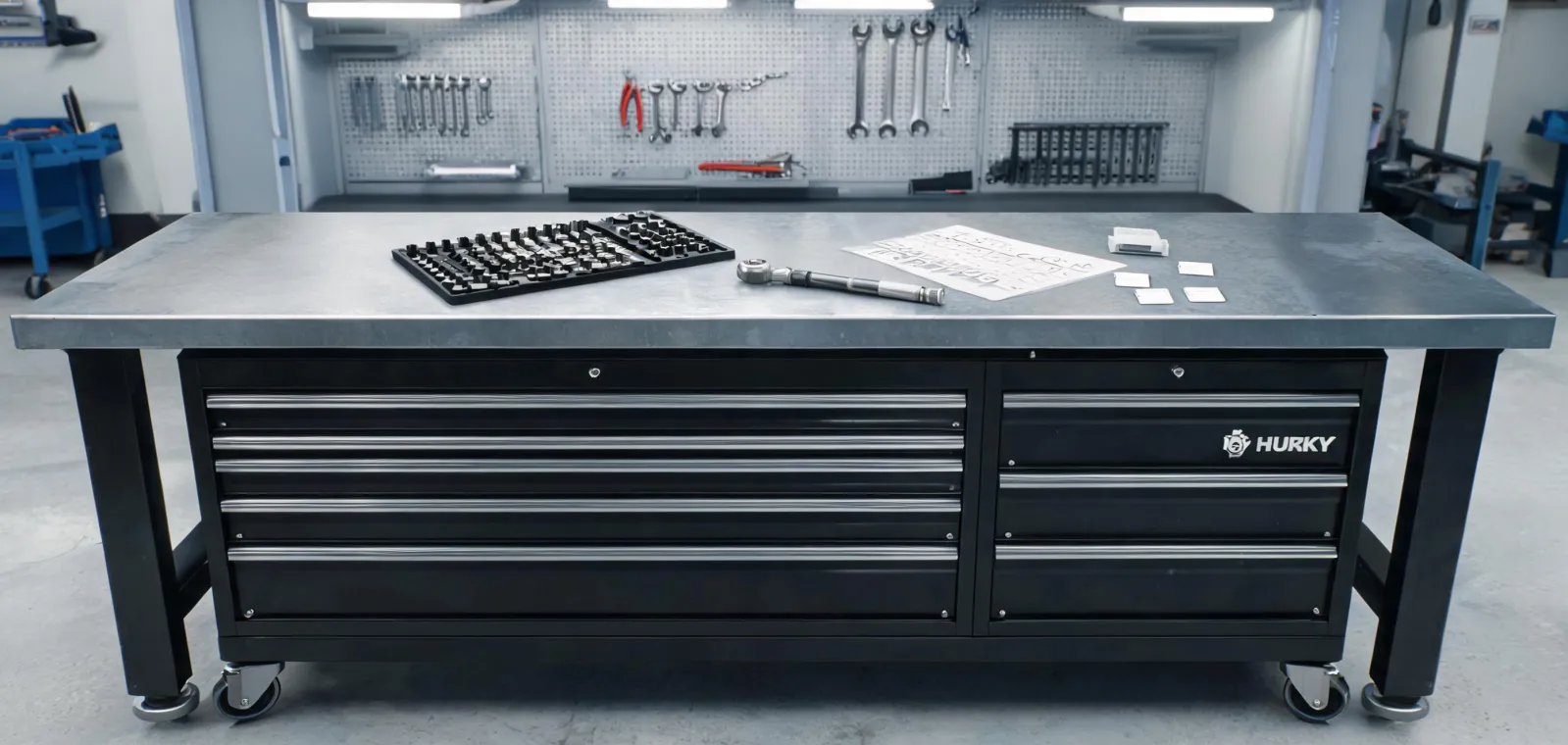
Map cabinet width, drawer depth, caster needs and organizer style to a real workspace so rolling storage supports the routine instead of crowding the aisle.
Service flow
Keep workbenches, vans and service rooms productive with practical support for product selection, registration, replacement routing and stocked-tool planning.
Three support paths
Husky service planning starts with the way your team actually works: how many carts move between bays, which hand tools leave the room most often, what drawer sizes create friction and where purchase records should live. The goal is not a complicated program. It is a clean set of notes, product categories and response paths that helps a crew keep the next shift ready.
Map cabinet width, drawer depth, caster needs and organizer style to a real workspace so rolling storage supports the routine instead of crowding the aisle.
Group sockets, ratchets, screwdrivers, pliers and torque tools into job-specific kits with simple replacement rules for shared benches and service vehicles.
Document model details, purchase notes and usage context so support requests move with less back-and-forth when a tool or storage component needs attention.
Process timeline
List the benches, vans, bays and storage rooms where hand tools move every day. Note bottlenecks such as overfilled drawers, missing socket sizes, tool bags without labels or cabinets that cannot roll safely across the floor.
Assign tool storage, mechanics hand tools, organizers and torque tools to repeat jobs. This keeps purchasing conversations close to the repair task rather than a broad catalog search.
Capture serial numbers, cabinet dimensions, drawer accessories and purchase references while products are new. The information gives service teams a cleaner path when support is needed.
Review what was used, lost or overworked after the busy cycle. Small changes to organizers, carts and hand tool sets can improve the next season without changing the entire room.
Husky support is easiest when teams can point to product names, storage layout, work conditions and purchase timing. A simple service plan helps maintenance leads avoid vague requests and gives buyers a repeatable record for future refreshes.
Request support
Send the product categories, crew size and workspace constraints. Husky support can help frame a service path for storage selection, hand tool planning, registration questions or warranty routing. The more specific the work setting is, the more useful the response can be: a mechanics bay needs different drawer priorities than a facility cart, and a mobile installer may care more about bag layout than cabinet depth.